


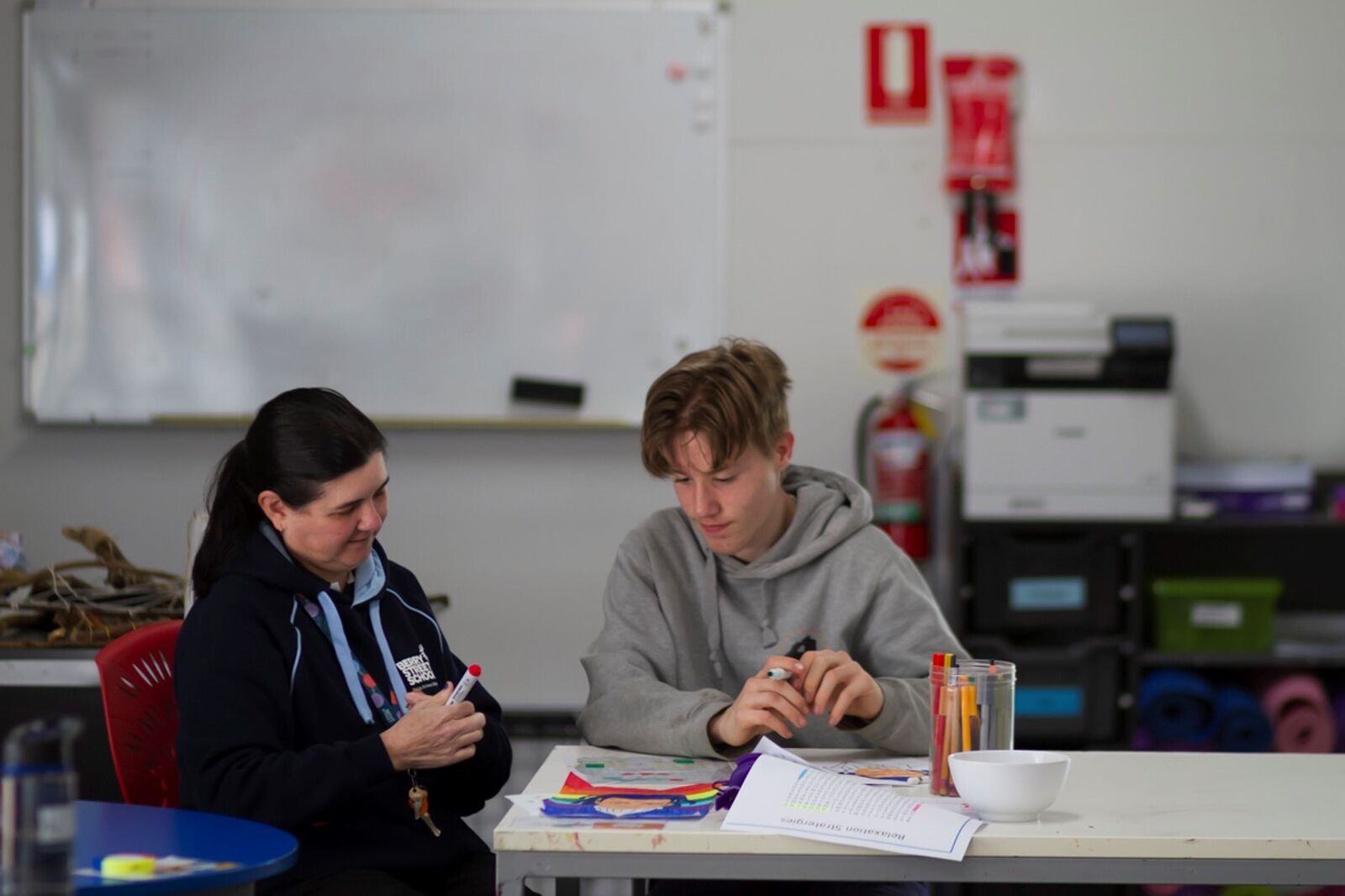
We believe in our students' ability to be successful, so we hold high expectations for their learning. We work with students and their families to support them in creating and achieving their aspirations. Our junior school is for young people in years 7 to 10. We offer many learning opportunities through our range of core and specialist classes.
Our junior school curriculum prepares students to thrive, achieve and belong ahead of their senior secondary certificate in year levels 11 and 12.
Core classes
- Literacy
- Numeracy
- Wellbeing.
Specialist classes
- The Arts
- Design and Technologies
- Health and Physical Education.
Our curriculum is rigorous, engaging and relevant to the lives of students. Our staff have high expectations for all students and our teaching and learning are differentiated to meet the needs of each student.
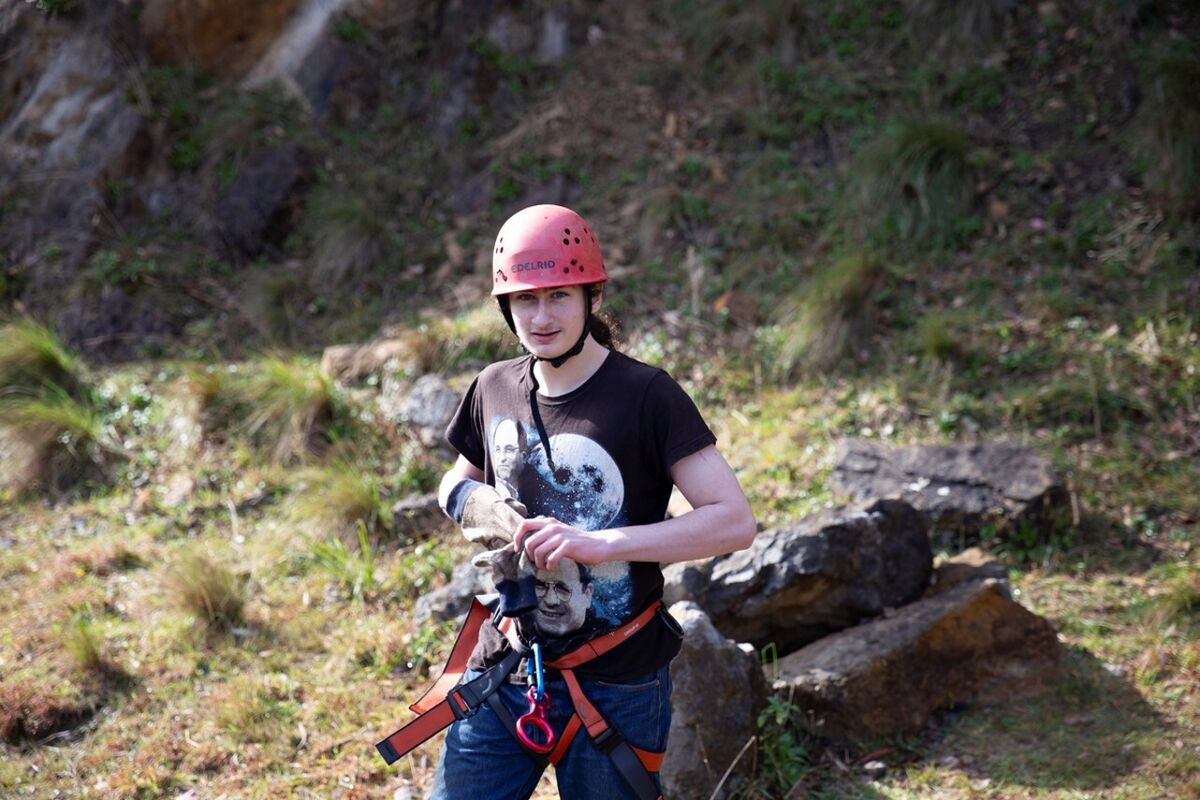
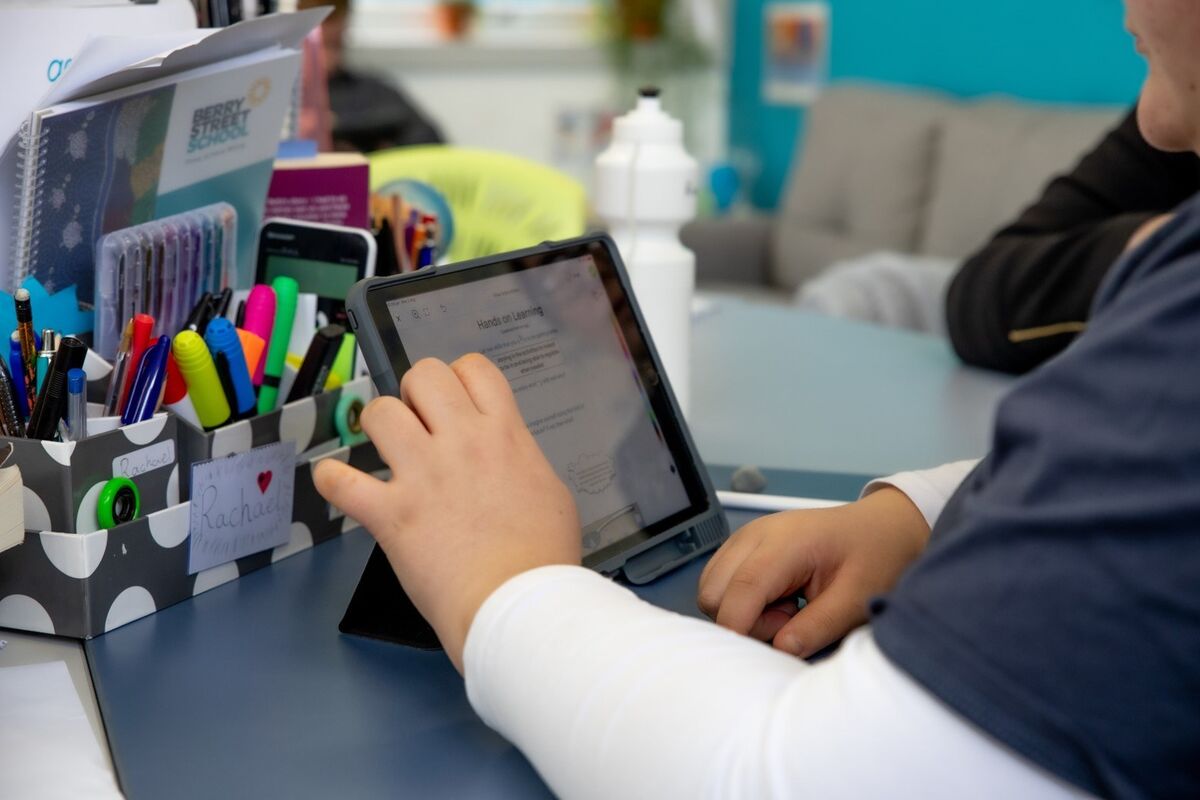
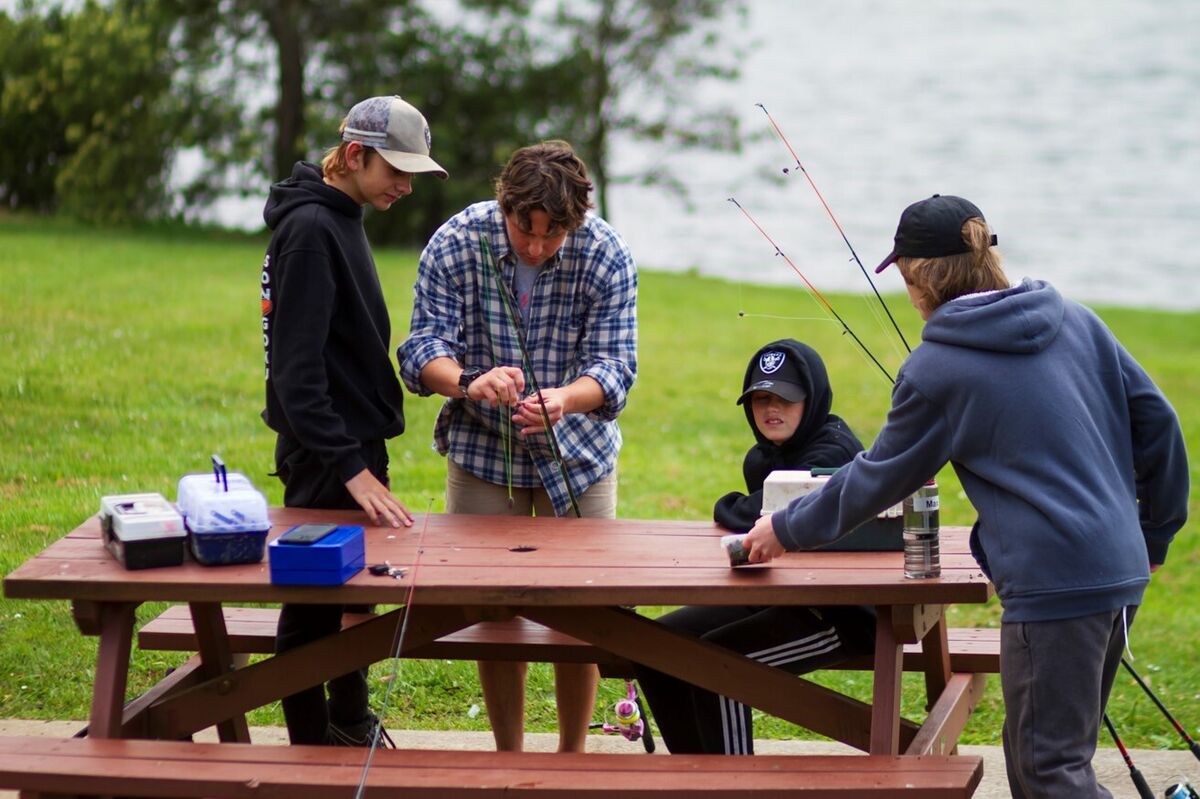
Here's a snapshot how:
Wellbeing
During wellbeing, students develop the social-emotional skills necessary to help them thrive, achieve and belong - both at the Berry Street School and in life. Our wellbeing curriculum gives students strategies and skills to help them flourish and shine in life. We use the strategies from the Berry Street Education Model to help build wellbeing literacy.
Literacy
Our Literacy program is designed to support every student in all three areas, which are reading and viewing, speaking and listening, and writing. These strands are taught using real-world contexts so that our students are able to easily translate their skills and knowledge for their futures. We include applied learning as part of their coursework, such as interviewing, leading teams, and writing presentations.
To support our students to learn, each campus has a library with the best and most up-to-date young adult books from around the world, including a range of texts by Aboriginal and Torres Strait Islander and LGBTQIA+ authors. Students love pulling out a book, sitting on a beanbag, and reading with their peers or a therapy animal.
We also use Essential Assessment, MacqLit and Fountas and Pinnell to help identity what our students need to know and to build their capacity and mastery.
Numeracy
In Numeracy class, students learn new concepts with various hands-on manipulatives like counters, blocks, and cards. They develop their mathematical thinking through exploration, games and conversations.
We also use Essential Assessment to help identify how to support our students' individual needs and grow their numeracy skills. Students learn numeracy based on what they need and build their knowledge and skills with the support of their peers and teachers.
The Arts
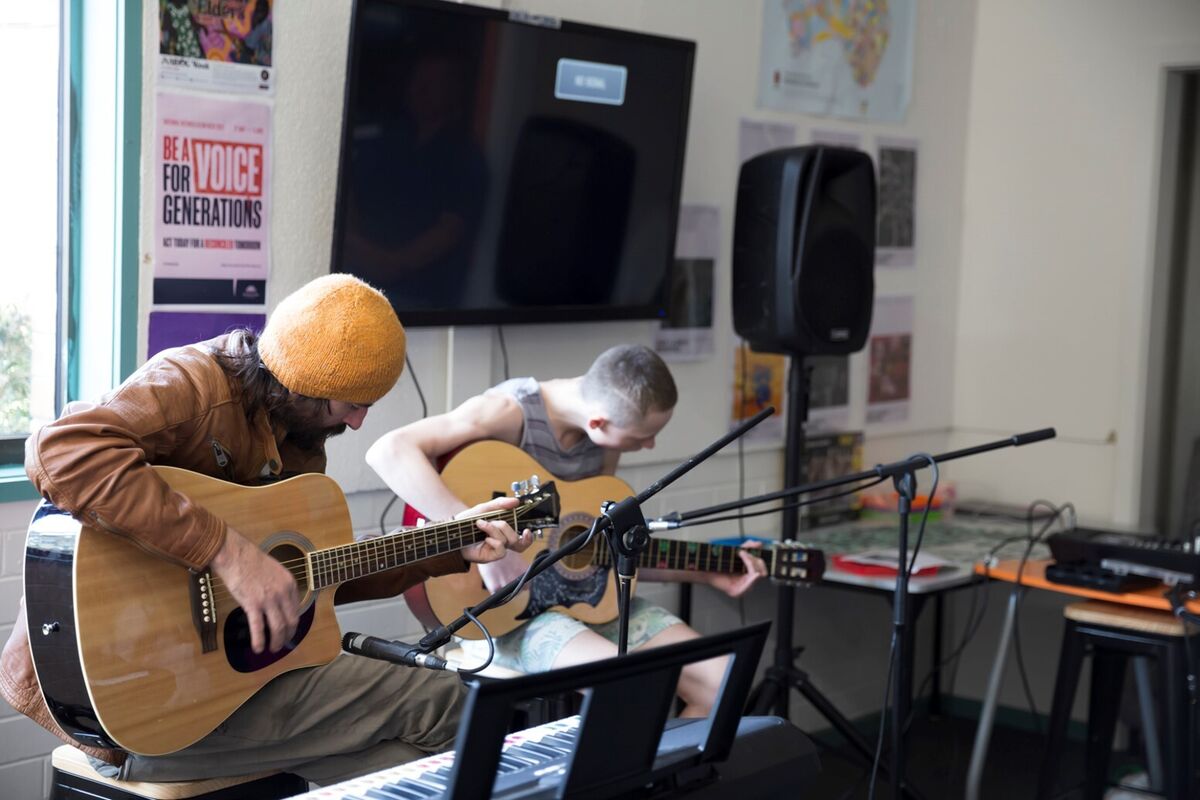
Each campus offers a range of electives so that students can express themselves creatively and critically in the Arts. The Arts includes:
- dance
- drama
- media arts
- music
- visual arts
- visual communication design.
Students express, represent and communicate ideas in modern, traditional and emerging arts forms. The significant contributions of Aboriginal and Torres Strait Islander peoples to Australia’s art are explored, and students are encouraged to learn more about these unique and evolving traditions in Art Classes.
Design and Technologies
Our campuses offer opportunities to engage with different technologies, such as food technology and woodwork.
Students also learn how to use digital technology to communicate creatively and critically. Teachers model how to use different apps like the Microsoft Suite, Garageband, Stop Motion Studio, Wix website creation, Procreate, iMove, Zoom, Canva and real-time collaborative web platforms like Padlet.
Every student receives an iPad in school and has access to a laptop. Each student is supported to investigate and solve challenges using a range of tools, software and hardware.
Health and Physical Education
In Health and Physical Education, students develop the knowledge, understanding and skills to:
- strengthen their sense of self
- build and manage healthy relationships.
The curriculum helps students to be resilient, and to make decisions and take actions to promote their health, safety and physical activity. The Physical Education program teaches students about healthy, active living, which includes promoting:
- physical fitness
- healthy body weight
- psychological wellbeing
- consenting relationships
- drug and alcohol education.

